Vastu-Friendly Interiors: 5 Ancient Principles for Modern Homes
Designing a home is not just about visual aesthetics; it is about how the space feels. In Indian interior design, Vastu Shastra—the ancient science of architecture and spatial geometry—plays an essential role in inviting health, harmony, and prosperity into our living environments.
Here are five simple, Vastu-compliant rules that you can easily integrate into your modern apartment layout without sacrificing contemporary style.
1. The Entrance (The Gateway of Energy)
The main entrance of the home should ideally face North, East, or North-East. This area should be well-lit, clutter-free, and inviting. To attract positive energy, avoid placing shoe racks or garbage cans directly next to the threshold.
2. The Kitchen (The Fire Element)
According to Vastu, the kitchen represents the fire element. The ideal zone for the kitchen is the South-East corner of the home. When cooking, you should ideally face East. Keep the sink (water) and the stove (fire) apart from each other, as opposing elements can lead to domestic friction.
3. The Living Room (The Hub of Gathering)
Your living room should face North or East. Vastu suggests that heavy furniture, such as sofas or storage cabinets, should be placed in the South or West walls, leaving the center of the room open to circulate light and energy.
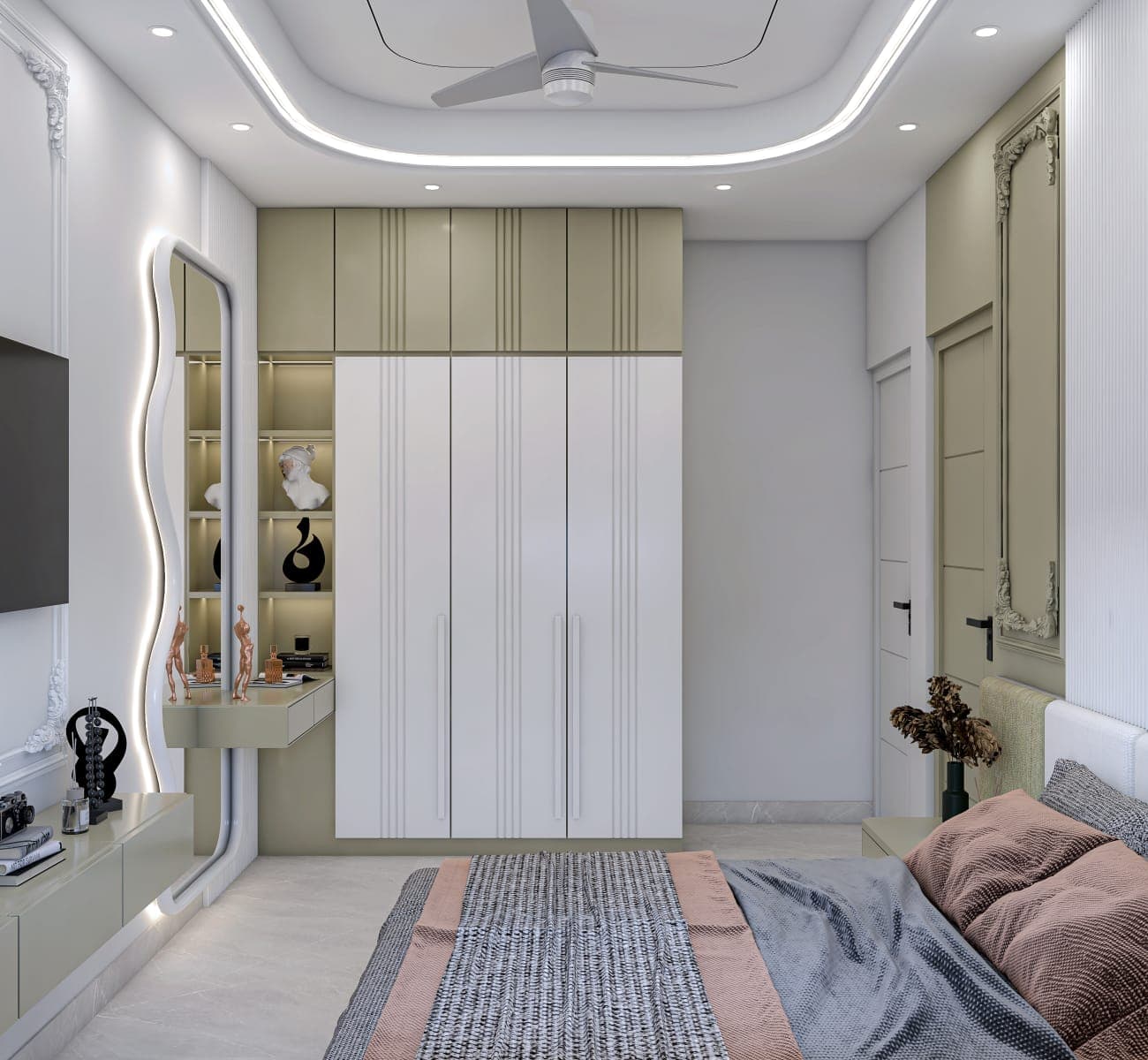
4. The Master Bedroom (Rest & Strength)
For deep sleep and emotional stability, the master bedroom must be situated in the South-West corner. Vastu advises sleeping with your head pointing towards the South or East—never to the North, which disrupts blood circulation due to magnetic pulls.
5. Colors and Light (Atmospheric Balance)
Color psychology is deeply tied to Vastu. Choose warm neutrals like cream, sand, and taupe to promote peace. Subtle crimson accents in the South-East stimulate vitality, while light blues and greens in the North-East support mental clarity.