
Color and the Fifth Wall: Why Your Ceiling Is 2026's Boldest Design Statement
Ceilings are no longer an afterthought. Discover why designers are calling the ceiling the "fifth wall," how colour-drenching works, and how to bring this bold 2026 trend into your home without overwhelming the space.
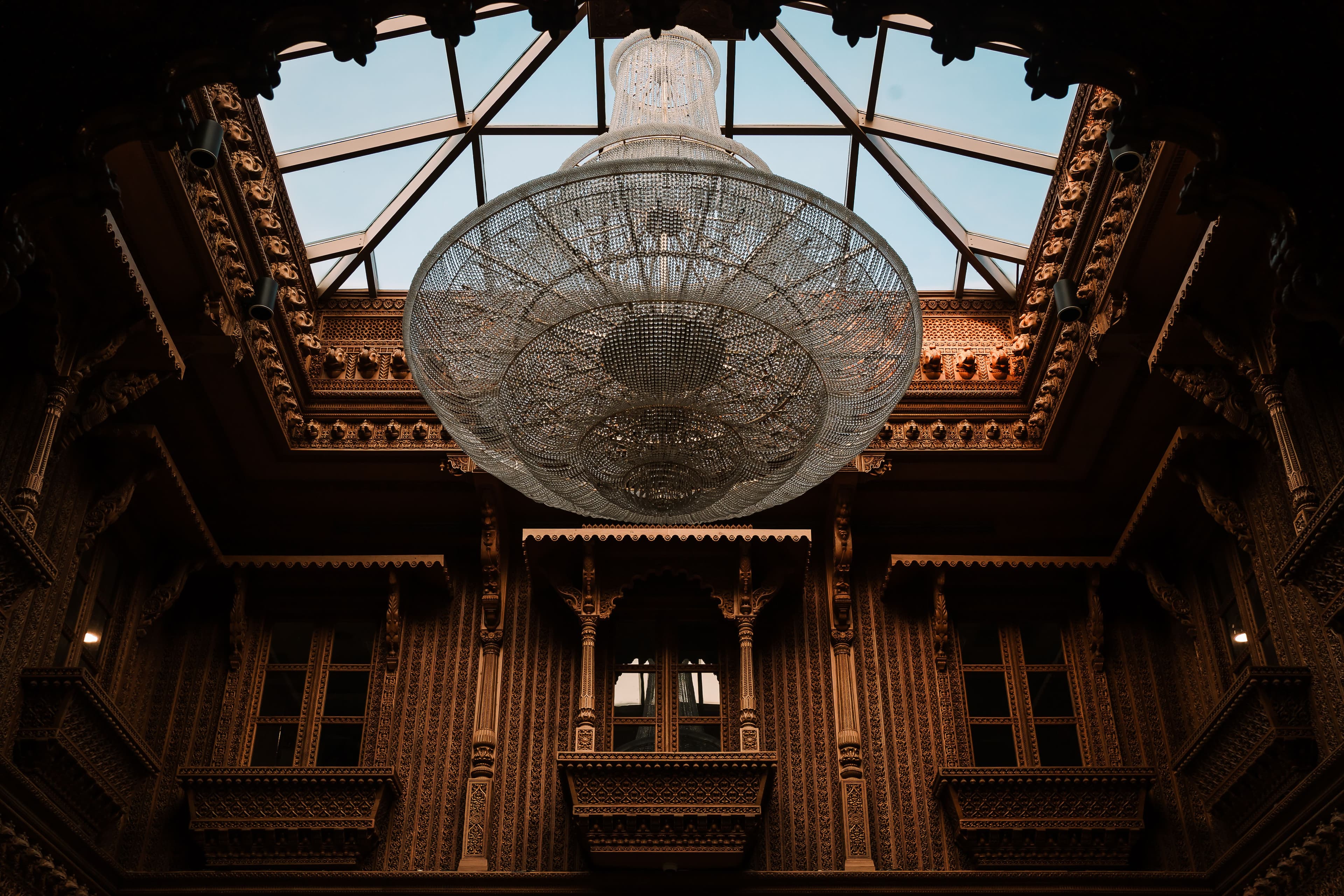
Color and the Fifth Wall: The Ceiling Trend Taking Over Interior Design in 2026
For decades, the ceiling was treated as an afterthought — a flat plane of "builder white" that existed only to hold up the light fixture. Not anymore. Interior designers are now calling the ceiling the fifth wall, and in 2026, it has become one of the most talked-about surfaces in the home. From colour-drenched ceilings to hand-painted motifs and rich millwork, the fifth wall is where personality, drama, and craftsmanship now live.
If you've been wondering whether to paint your ceiling a colour, wallpaper it, or leave it untouched, this guide breaks down everything you need to know about the fifth wall trend — what it is, why it's trending, and how to use it well in your own home.
What Does "Fifth Wall" Mean in Interior Design?
In design language, a room typically has four walls, a floor, and a ceiling. The fifth wall simply refers to the ceiling — reframed not as a blank surface, but as an active design element with the same decorative potential as any wall in the room.
This shift in thinking is why ceiling design has exploded in popularity. Homeowners are realising that a painted, textured, or patterned ceiling can completely transform how a room feels — adding warmth, intimacy, height perception, or drama, depending on the choice.
Why Ceilings Are Trending Right Now
A few forces are driving the fifth wall movement in 2026:
A move away from stark minimalism. After years of pared-back, all-white interiors, homeowners are craving spaces with more character, colour, and texture.
Social media discovery. Bold ceilings photograph beautifully, and platforms like Instagram and Pinterest have made "look up" moments a design flex.
A desire for cosy, immersive rooms. Colour on the ceiling visually lowers it, creating a wrapped, cocoon-like feeling that's especially popular in bedrooms, dining rooms, and reading nooks.
Renewed appreciation for craftsmanship. Ceiling millwork, mouldings, and hand-finished details are being treated as a mark of quality and intentional design — not just an inheritance from older architecture.
Colour-Drenching the Ceiling: The Technique Everyone's Talking About
Colour-drenching (sometimes called "colour capping") is the technique of extending a single wall colour up and across the ceiling, along with the trim, skirting, and mouldings. Instead of the traditional white ceiling meeting a coloured wall, the entire room is enveloped in one continuous hue.
Why colour-drenching works
Removes visual "stopping points." Without a white ceiling to break the eye's movement, the room feels more expansive and seamless.
Adds warmth and intimacy. A colour-drenched room feels enclosed and considered, rather than sterile.
Makes architectural quirks disappear. Uneven ceiling heights, odd angles, or visible beams tend to blend into a monochrome scheme rather than standing out.
Creates a strong photographic and design statement without needing multiple accent pieces or elaborate furniture layouts.
Best colours for a drenched ceiling
Deeper, earthier tones are leading the trend this year:
Terracotta and rust
Deep forest or moss green
Chocolate brown and warm taupe
Petrol blue and ink navy
Burgundy and muted plum
These shades work particularly well in dining rooms, bedrooms, powder rooms, and snug living areas — spaces where you want a sense of cocooning rather than openness.
Beyond Paint: Other Ways to Style the Fifth Wall
Colour is only one way to activate the ceiling. Designers are also experimenting with:
Wallpapered ceilings — botanical prints, damask, and chinoiserie motifs bring pattern overhead without overwhelming the walls.
Exposed and stained wood beams — natural timber tones add texture and warmth, especially in homes leaning into an organic, earthy palette.
Decorative millwork and coffered panels — adding dimension and architectural interest, particularly in formal dining and living spaces.
Hand-painted or freehand details — loose, artisanal brushwork on the ceiling plane, echoing the broader "art-driven interiors" movement.
Statement lighting paired with a coloured backdrop — a pendant or chandelier reads far more dramatic against a painted ceiling than a plain white one.
How to Introduce the Fifth Wall Trend Without Overdoing It
Not every homeowner wants to commit to a fully colour-drenched room, and that's completely fine. Here's how to ease into the trend:
Start with a smaller room. Powder rooms, entryways, and reading nooks are low-risk spaces to experiment with a bold ceiling colour.
Choose a shade one to two tones darker than your wall colour if you want cohesion without full monochrome drenching.
Use ceiling colour to define a zone — for example, painting the ceiling above a dining table or bed to visually anchor that area.
Balance boldness with restraint elsewhere. If your ceiling is the statement, keep furniture and accessories relatively simple so the room doesn't feel busy.
Test before you commit. Paint a large sample board and view it under your room's actual lighting at different times of day — ceiling colour reads very differently than wall colour due to light reflection.
Which Rooms Suit a Statement Ceiling Best?
Room | Why it works |
|---|---|
Dining room | Colour overhead creates intimacy for long, unhurried meals |
Bedroom | Deepens the sense of calm and enclosure for rest |
Powder room / small bath | Low-commitment space to go bold |
Home office or study | Adds character to a functional room |
Living room (with high ceilings) | Colour visually lowers an overly tall ceiling for better proportion |
The Takeaway
The ceiling has officially stepped out of the background. Whether you choose a fully colour-drenched room, a wallpapered overhead moment, or simply a rich stained wood finish, treating your ceiling as the fifth wall is one of the most effective ways to add personality and depth to a space in 2026.
If you're planning a renovation or refresh and want a ceiling design that feels bold but still cohesive with the rest of your home, working with an experienced interior designer ensures the colour, finish, and lighting all work together — rather than competing for attention.
Frequently Asked Questions
What is the "fifth wall" in interior design?
The fifth wall refers to the ceiling, treated as a design surface equal in importance to the room's four walls.
What is colour-drenching?
Colour-drenching is painting the walls, trim, and ceiling all in the same colour to create a seamless, enveloping look in a room.
Is a dark ceiling a bad idea in a small room?
Not necessarily. A darker ceiling can make a small room feel more intentional and cosy rather than smaller, especially when paired with good lighting and a cohesive wall colour.
Do I need to hire a professional for a colour-drenched ceiling?
While it is technically a paint job, colour selection, sheen, and lighting coordination are easy to get wrong. A designer can help you avoid a result that feels dark or heavy rather than warm and intentional.